


 Patient Login



Quick Links
What is Tennis Elbow?
Lateral epicondylitis or lateral elbow tendinopathy, also known as tennis elbow, is a condition and overuse injury where the tendons that attach to the outside of the elbow begin to deteriorate. Tennis elbow primarily affects the common extensor tendon at the lateral epicondyle, especially the extensor carpi radialis brevis (ECRB) tendon, which is responsible for wrist extension. Elbow tendons are responsible for aiding muscle movement and acting as a transmitter of the forearm muscles’ force to the bone. When this tendon degenerates at its anchor, it puts greater stress on the area during movement, causing elbow and arm pain.
Repetitive stress and repetitive movement, such as those involved in racquet sports, gardening, construction work, and extensive use of tools or computer mice, can cause tiny tears in the extensor muscles and wrist extensors, leading to degeneration of the tendon and other structures.
Tennis elbow is most common in individuals between 40 and 50 years old, and affects men and women equally. Most people develop tennis elbow in their dominant arm, but it can occur in both arms simultaneously. This condition is called “tennis elbow” because it’s common in tennis players, but it can occur from a variety of activities where the muscle is active like lifting, gripping, or grasping. Risk factors include age, repetitive movement, improper technique, equipment, smoking, and obesity. It’s not only those who play tennis who get this condition.

I came in late on a Wednesday afternoon with an emergency hand wound.. The assistants, PA, and staff were AMAZING!! Caring, attentive, extremely knowledgeable and medically competent!!! Surgery went well and I’m in the road to complete ❤️🩹 recovery!!! – PD
What are the Tennis Elbow Symptoms?
The patient’s pain in tennis elbow is typically localized to the elbow, specifically at the lateral epicondyle, where the tendon attaches to the upper arm bone. Key symptoms include a burning sensation or ache on the outer part of the elbow, difficulty holding objects, and pain that may travel down the forearm. The symptoms of tennis elbow usually develop gradually, starting as mild pain that worsens over weeks and months. Pain is often worsened by forearm activities such as gripping, turning a doorknob, shaking hands, or even lifting a coffee cup. The pain can range from mild to severe and may be constant or intermittent. It is often exacerbated by activities involving wrist extension, such as gripping objects or lifting. The area can feel tender to the touch, and in later stages, it can be painful to move the elbow in any range of motion.
What Causes Tennis Elbow?
Tennis elbow is most common people between 30 and 50 years old. Outside of athletics, people who are most likely to develop tennis elbow are people frequently involved in activities like commercial painting, mechanic work, or plumbing. Repetitive wrist motions can cause pain by placing excessive strain on the tendons around the elbow. Avoiding heavy lifting with extended arms and using two hands to hold a heavy tool can help prevent the condition.
Elbow injuries or trauma can also result in damage to the elbow joint or tendons. In this case, swelling can degenerate the tendon and make the elbow more susceptible to further injury.
What Treatment Options Are Available for Tennis Elbow?
In some cases, tennis elbow can simply go away. Most patients with tennis elbow improve with conservative treatments. Conservative treatments include activity modification, physical therapy, ice, anti-inflammatory medications, and corticosteroid injections. The prognosis for tennis elbow is generally good, with most patients experiencing pain relief within 12 months of conservative treatment. Surgical procedures are considered only if symptoms persist.
Non-Surgical Treatments
The first step to treat tennis elbow is limiting the activity that causes it to occur. Depending on the activity, your orthopedic hand specialist can help you find ways to relieve symptoms and provide pain relief. Additionally, anti-inflammatory medications or steroids can be used to control inflammation in the area. Using a brace or splint can help keep things in place and reduce tension during movement, and physical therapy can help strengthen and stretch the area to restore proper function. Your orthopedic hand specialist can help you develop a treatment plan based on your needs.
Surgical Treatments (Tennis Elbow Repair)
Surgery for tennis elbow is rare but can be used in the case of treatment-resistant symptoms. Typically, this means symptoms have persisted for 6-12 months, and pain is incapacitating. Tennis elbow surgery involves getting rid of degenerated tendon tissue. Your orthopedic hand surgeon can help you understand whether surgery is the best option for your circumstances.
What to Expect After Tennis Elbow Treatment
The outlook for tennis elbow treatment is good if you take steps to prevent tennis elbow from coming back. After surgery, patients may begin gentle stretching exercises of the wrist and elbow in the immediate postoperative period as tolerated, often under the guidance of a physical therapist. Light, gradual strengthening exercises are typically started about 2 months after surgery. It is important for patients to guard against old habits that may have contributed to their tennis elbow condition.
Patients will also receive education on preventing strain and overuse of the forearm and elbow to avoid recurrence. This includes modifying your activities and strengthening the area with specific exercises. During an appointment with our orthopedic hand specialists, you can learn more about treating and preventing tennis elbow as well as achieving relief from symptoms.
Schedule a Consultation at the Regional Hand Center
If you’re ready to learn more about your tennis elbow treatment options, meet with our team of orthopedic hand specialists. To schedule an appointment, contact our Fresno, CA office by calling or filling out our online form.
Patient Resources
Whether you are planning a procedure or you are interested in options for treatment, the professional and caring Regional Hand Center team makes it easy to find the answers you need. For an appointment or answers to your questions, call (559) 322-HAND.
View All


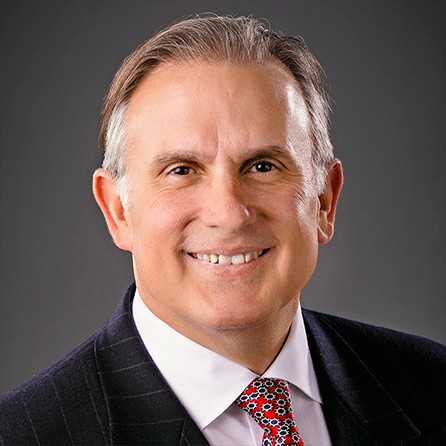

Randi A. Galli, MD
Board-Certified Surgeon
Dr. Randi Galli is certified by the American Board of Plastic Surgeons and a Fellow of the American College of Surgeons. A member of Alpha Omega Alpha, the medical honor society that comprises the top ten percent of medical students, Dr. Galli received his Medical Degree from Tulane University School…
Learn More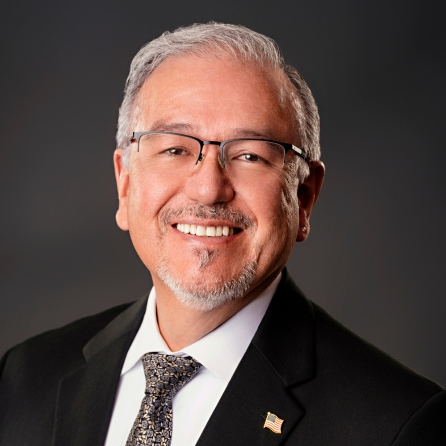
Ricardo Avena, MD
Board-Certified Surgeon
Dr. Ricardo Avena is board certified by the American Board of Surgery and is a Fellow of the American College of Surgeons. Born and raised in Mexico City, Dr. Avena attended medical school at the National Autonomous University of Mexico. Upon graduation, Dr. Avena received his certification from the Educational…
Learn More